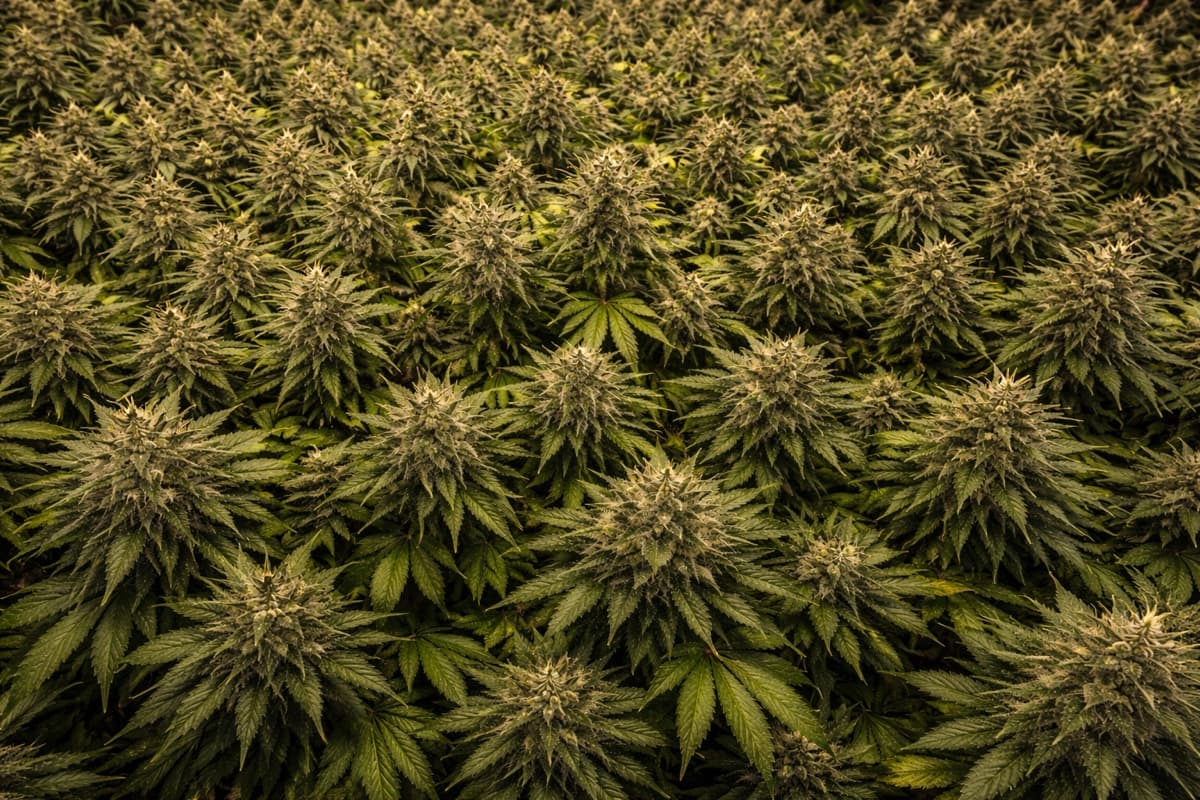
Growing is a system.
Once you see it, you can't unsee it.
Most people struggle with growing not because it's hard — but because the information they need is scattered across forums, YouTube videos, and contradictory Reddit threads. This is the organized version.
For educational purposes only. Cannabis cultivation is only legal in certain jurisdictions. Know your local laws before proceeding. Nothing here constitutes legal or medical advice.
Why it feels overwhelming — and why it doesn't have to
Growing cannabis isn't complicated. But the way it's usually taught — fragmented, medium-specific, forum-dependent — makes it feel that way.
No clear map
Growers learn by trial, error, and forum searching. Most never get a structured picture of how the variables connect to each other — so each problem feels unrelated to the last.
The missing bridge
Going from outdoor soil to indoor hydro feels like starting over — because nobody explains the intermediate steps. Coco coir alone would save most growers months of frustration.
Plants communicate
Every symptom is information. Yellow leaves, drooping, slow growth — these aren't failures, they're signals. Once you learn to read them, growing becomes a conversation.
The six variables that govern every grow
Every growing problem — every deficiency, every slow plant, every failed harvest — traces back to one or more of these. Learn them once. Use them forever.
Environment
Temperature, humidity, airflow, and CO₂. Indoors, you own these variables completely. Get them right and everything else gets easier.
Medium
What your roots live in. Soil, coco, or water — each has a different relationship with nutrients and a different tolerance for error.
Nutrients
Nitrogen drives vegetative growth. Phosphorus and potassium drive flowering. Everything else supports the process. The plant tells you when something is missing.
Watering
Overwatering causes more problems than underwatering. The goal is wet/dry cycles that force root expansion. Learn to read the container weight.
Growth Stages
Germination → Seedling → Vegetative → Flower → Harvest → Cure. Each stage has different needs, tolerances, and goals. What works in veg can hurt in flower.
Harvest & Cure
The most overlooked part of growing. Harvest timing and cure quality determine the final product more than most factors during the grow itself.
Choose your growing path
Growing isn't one thing — it's a progression. Find where you are, understand what's next, and know exactly what changes at each level.
Important: Cannabis cultivation is only legal in certain jurisdictions. Verify the laws in your location before starting a grow.
Outdoor / Soil
The most natural way to grow.
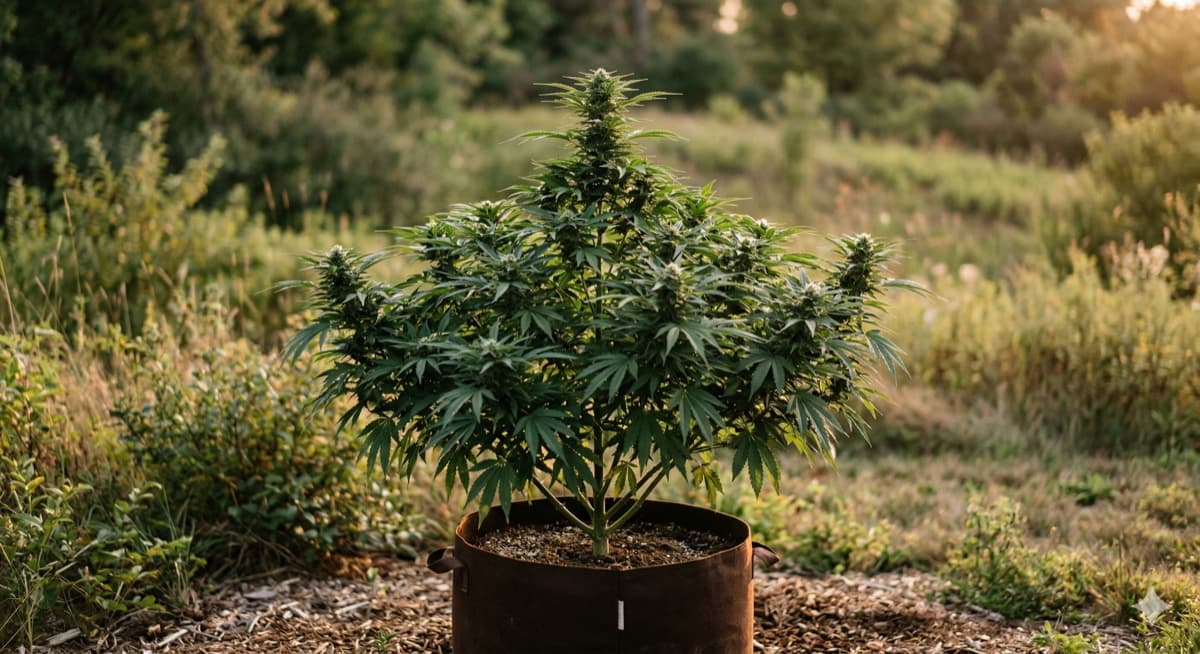
The sun does the heavy lifting. Living soil handles most of your nutrient work. You provide water, time, and attention. This is where almost every experienced grower started.
Who it's for
Anyone with outdoor space in a legal jurisdiction and a climate that supports a long growing season. If you've ever had a vegetable garden, you're already most of the way there.
Key insight
The biggest mistake outdoor growers make is underestimating container size. Roots need room to grow — small pots produce small plants.
What you need
- ✓A legal outdoor grow space with direct sun (6+ hours/day)
- ✓Quality soil or a raised bed with amended growing medium
- ✓Large containers (15–30 gallon) or in-ground planting
- ✓Basic nutrients (most good soil needs little supplementing)
- ✓pH meter and pH-up/down solution
- ✓Watering can or hose with gentle nozzle
“Outdoor growing connects you to natural rhythms. You'll notice the plant respond to seasons, weather, and time of day in ways that feel almost alive.”
Only legal where cannabis cultivation is permitted.
Seed to cure — what each stage actually feels like
The biology, your job, and what to expect at each stage. Not just what to do — but what the experience is like when you're in it.
Germination
Typical duration: 1–7 days
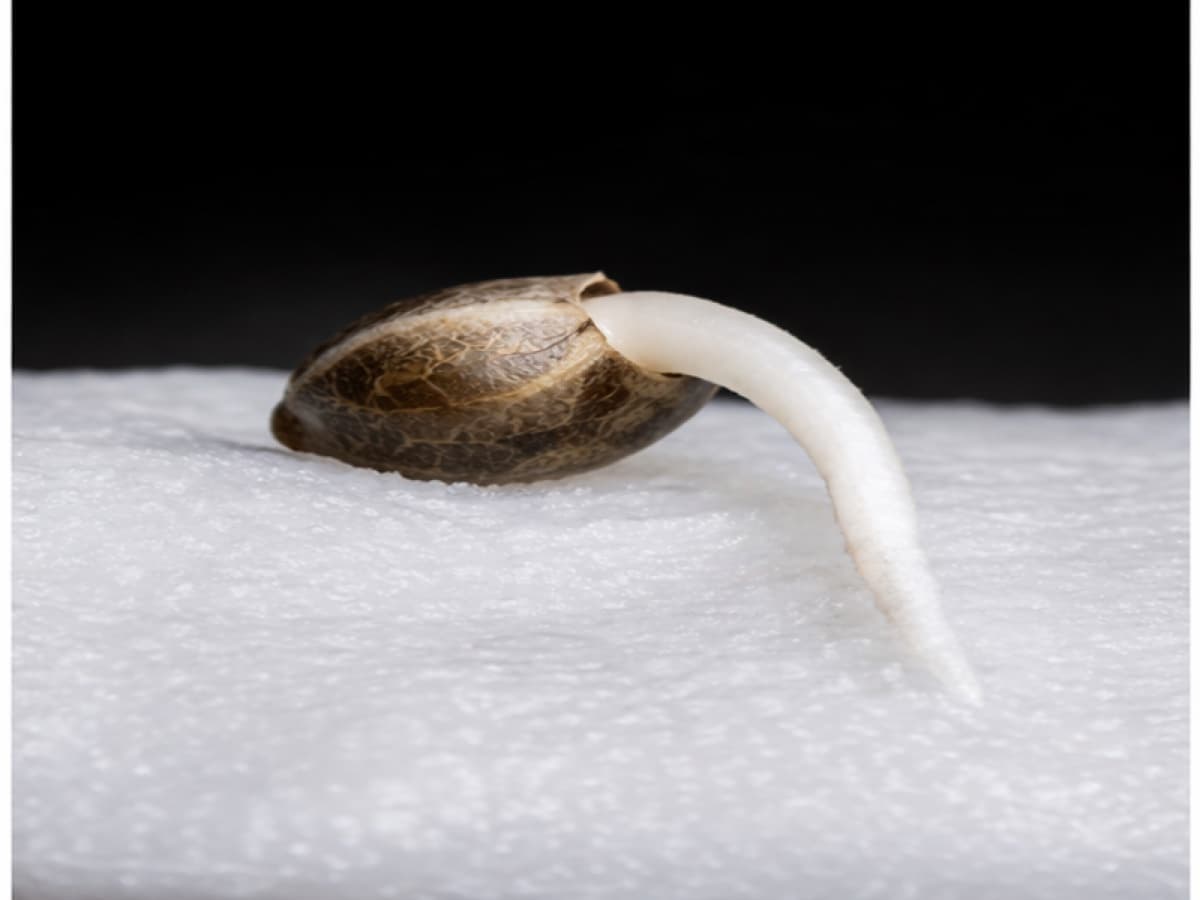
What's happening
The seed absorbs moisture, the tap root emerges, and the seedling pushes upward toward light. Everything the plant needs for this stage is already inside the seed.
Your job
Keep humidity high (70–80%), temperature warm (72–78°F), and don't overwater. The most common germination mistake is drowning a seed with good intentions.
Tap root length ≥ 0.5cm before transplanting
“There's a moment — usually around day 3 — when you check your germination setup and see the first white root tip. It's small. It doesn't look like much. But something about it feels like the beginning of something real.”
Problems are signals, not failures
Your plant can't speak, but it communicates constantly. Every symptom points to a variable that's out of range. Learn to read them rather than panic about them.
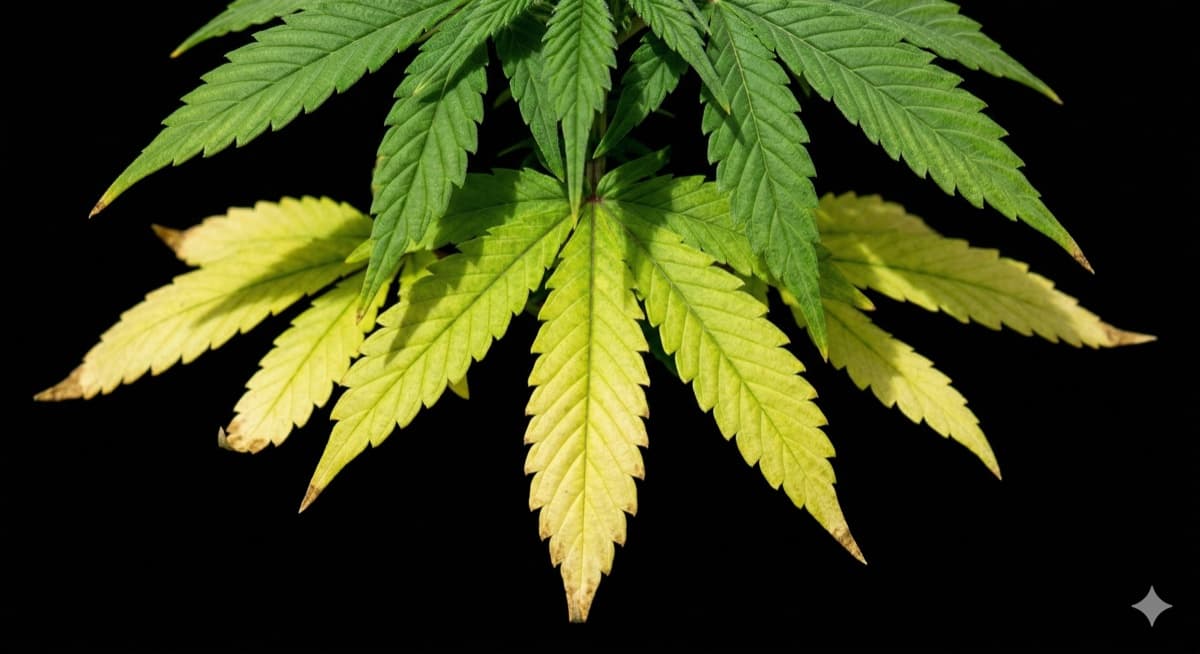
Yellow leaves
Nutrient issueStart with pH. Most nutrient problems are actually pH lockout — the nutrients are present but unavailable. Correct pH first before adjusting feed.
Wilting or drooping
Watering issuePick up the pot. Wilting from overwatering feels heavy — the roots are sitting in wet medium. Wilting from underwatering feels light. Same symptom, opposite solutions.
Slow or stunted growth
Environment issueCheck temperature and humidity first. Plants in sub-optimal VPD slow their metabolism. If environment is correct, check root zone — root-bound or root rot plants stall.
Brown leaf tips
Nutrient excess (burn)Usually nitrogen toxicity or overly concentrated feed. Flush with plain pH-balanced water and reduce nutrient concentration by 25–30%.
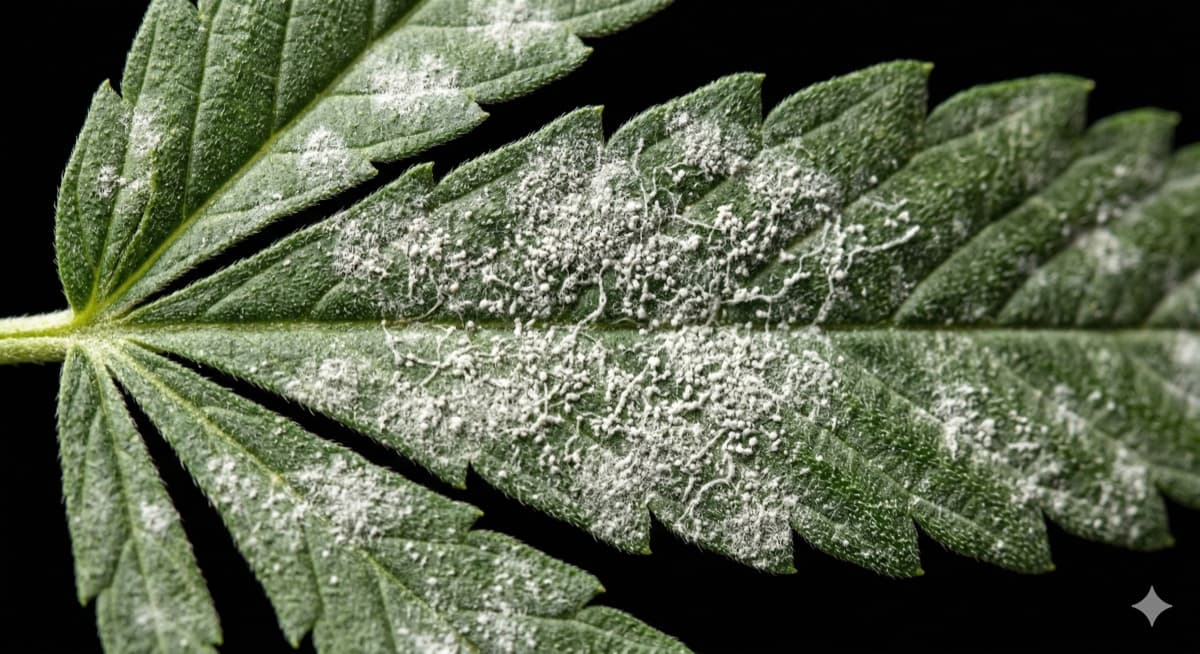
White powder on leaves
Powdery mildewEnvironmental issue — caused by low airflow and high humidity. Increase circulation immediately. Treat early with diluted hydrogen peroxide or neem oil. Difficult to eliminate once established.
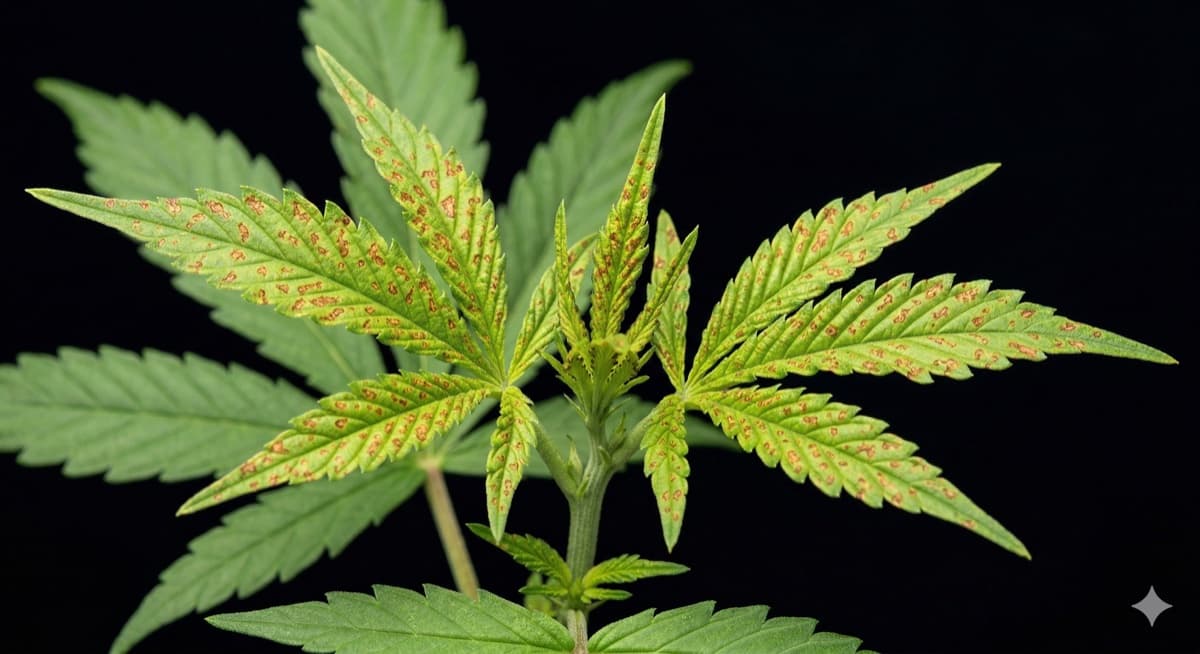
Pale or light green new growth
Cal-mag or iron deficiencyNew growth affected first (not old leaves) points to mobile vs. immobile nutrients. Iron and cal-mag are immobile — the plant can't relocate them. Common in coco and soft water grows.
Before you grow — know what you're growing
Strain choice is one of the most impactful decisions a new grower makes. Autoflowering strains are forgiving and fast — ideal for first grows. Photoperiod strains give you control over timing and typically larger yields. The wrong choice for your setup adds months of frustration.
Bring the system to your grow
Cultivar is an AI-powered grow companion that puts everything on this page into practice — plant tracking, AI diagnosis, VPD tools, care scheduling, and a Grow Coach that knows your specific plants.
AI Plant Diagnosis
Point your camera at a problem. Claude Vision analyzes it — nutrient deficiency, pest, mold, or trichome ripeness.
Grow Coach
A plant-aware AI chat that knows your strains, stages, and recent diagnoses. Veteran grower voice. No generic advice.
VPD Calculator
Real-time vapor pressure deficit with stage-specific target ranges. The single most useful environmental tool for indoor growers.
Care Schedule
Auto-generated watering, feeding, flush, and flip reminders based on your actual plant data.
Harvest & Cure Tracker
Daily moisture logs, stem snap readiness, jar burp scheduling. The post-harvest process finally has a system.
Plant Passport
Shareable stats card with strain profile, timeline, and grow data. Rendered as an image from your real grow.
Free to start. Grower ($7.99/mo) and Pro ($12.99/mo) tiers available. For use only where cannabis cultivation is legally permitted.
Start with the basics
Apera PC60 pH/EC/TDS Meter
Essential for every grow style — pH controls everything
View on Amazon →VIVOSUN 5-Gallon Fabric Pots 5-Pack
Air-prunes roots, prevents overwatering
View on Amazon →AC Infinity CLOUDRAY S6 Clip Fan
Airflow prevents mold and strengthens stems
View on Amazon →Fiskars Bypass Pruning Shears
Clean cuts for training, topping, and harvest
View on Amazon →As an Amazon Associate, The Canna Codex earns from qualifying purchases.
Legal disclaimer: Cannabis cultivation is subject to federal, state/provincial, and local laws that vary significantly by jurisdiction. Information on this page is for educational purposes only and does not constitute legal advice. Verify the laws in your specific location before cultivating cannabis. Nothing on this page constitutes medical advice. The Canna Codex does not encourage illegal activity. For adults 21+ (18+ in medical jurisdictions).